
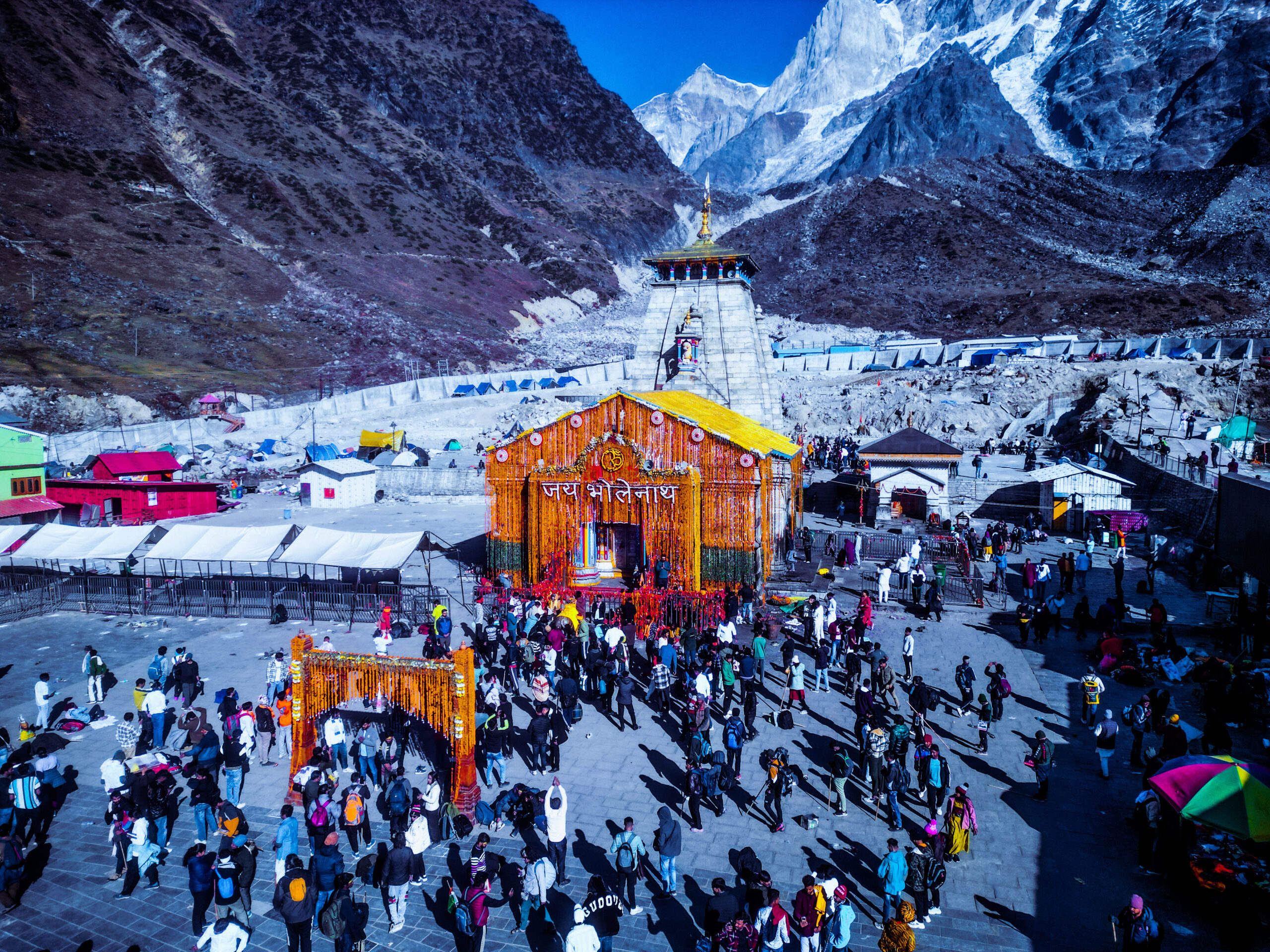
Introduction: Kedarnath – A Journey of Faith and Experience
Amidst the snow-clad peaks of the Himalayas, surrounded by clouds, and echoing with the divine chants of “Har Har Mahadev” — this is the sacred sight of Kedarnath. Located in the Rudraprayag district of Uttarakhand, this revered pilgrimage site is a magnificent manifestation of Lord Shiva, worshipped here as “Kedar.” Kedarnath is not just a temple; it is a profound confluence of faith, devotion, and spiritual tranquility. It is a journey that may exhaust the body, but it awakens and elevates the soul.
Link Between Both Posts:
-
In Hindi post at the end:
“Read this post in English → Click Here“ -
In English post at the end:
“यह पोस्ट हिंदी में पढ़ें → Click Here“
Religious History: From the Pandavas’ Atonement to the Manifestation of Shiva
The history of Kedarnath is deeply rooted in ancient Hindu mythology. After the great war of Mahabharata, the Pandavas, burdened by the sins of war, sought Lord Shiva to atone for their deeds. However, Shiva, displeased with them, retreated to the Kedar region and disguised himself as a bull (Nandi). When Bhima tried to capture him, Shiva began to sink into the earth. His body, as per the legend, emerged at five different places:
- Hump – Kedarnath
- Arms – Tungnath
- Face – Rudranath
- Navel – Madhyamaheshwar
- Hair – Kalpeshwar
Together, these five sites are known as the Panch Kedar, with Kedarnath being the most significant among them.
Architecture and Structure of the Temple
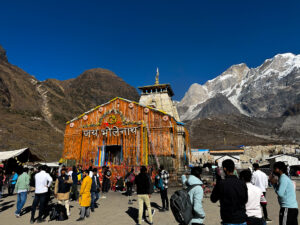
The Kedarnath Temple is a remarkable example of ancient Indian architecture. It holds not only religious importance but also architectural and historical significance due to its design, construction method, and extreme geographical location. It is believed that the original structure was built by the Pandavas during the Mahabharata era, while the current form was reconstructed in the 8th century by Adi Shankaracharya.
The temple is entirely built from massive stone slabs of granite, joined without the use of cement or mortar. Constructing such a structure at a high altitude amidst harsh weather conditions reflects not just technical prowess, but immense spiritual dedication as well. The temple stands on a raised platform, offering protection against snowfall and water flow.
The garbhagriha (sanctum sanctorum) is simple yet spiritually charged. At its center is a unique triangular-shaped Shiva lingam – a form found nowhere else. Devotees worship it as Shiva in his “Kedar” form. The temple walls are largely plain with minimal carvings, enhancing its sense of spiritual solemnity.
The temple’s shikhara (spire) is built in the traditional style and can be seen from afar, drawing the eye and heart of pilgrims. Surrounded by the towering and tranquil peaks of the Himalayas, the temple radiates a divine aura, as if nature itself is guarding this sacred abode of Lord Shiva.
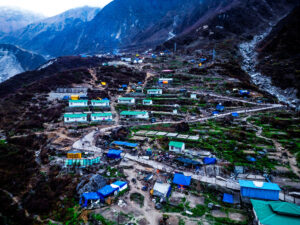
✅ Kedarnath Geography and Natural Beauty – Detailed Overview
📍 Geographical Location
- State: Uttarakhand
- District: Rudraprayag
- Altitude: 11,755 feet (3,583 meters)
- Location: Kedarnath is nestled amidst the snow-capped peaks of the Himalayas, making it a sacred place surrounded by towering mountains and untouched beauty.
🌊 Main River – Mandakini
- Source: Chorabari Glacier
- Significance: The Mandakini River flows near the Kedarnath temple, and its crystal-clear waters are considered sacred by pilgrims. The constant flow of the river adds to the spiritual energy of the surroundings.
🏔️ Surrounding Mountain Peaks and Glaciers
- Kedar Dome:
A high and famous snow-covered peak that attracts mountaineers and photographers alike. - Mandakini Glacier:
This glacier is the source of the Mandakini River, and the surrounding region is rich in natural beauty. - Chorabari Glacier:
Situated near Gandhi Sarovar, this glacier-covered area is a popular trekking destination for adventurers.
💧 Famous Lakes
- Gandhi Sarovar (Chorabari Tal):
This lake is where Mahatma Gandhi’s ashes were immersed. It is located near the Chorabari Glacier and offers a serene and peaceful environment. - Vasuki Tal:
Located at a higher altitude, this stunning lake is famous for trekking. The clear waters and surrounding Himalayan peaks make it a picturesque spot.
❄️ Weather and Best Time to Visit
- Weather Nature:
The weather is extremely cold and unpredictable, with heavy snowfall during winter. The temple remains closed during the winter months. - Best Time to Visit:
🔹 May – June (Summer): After the snow melts, the paths become accessible.
🔹 September – October (Autumn): Post-monsoon season, the weather is relatively stable.
🌄 Natural Beauty Features
- Snow-covered mountains, lush greenery, flowing streams, and a serene atmosphere characterize the surroundings.
- The environment exudes peace and spiritual energy.
- Sunrise and Sunset: The temple and surrounding peaks are bathed in golden light during these times, offering a divine spectacle.
🚶♂️ Journey Experience: Challenging Yet Rewarding
- Journey Starting Point: Most pilgrims begin their journey from Haridwar or Rishikesh.
Route:
Haridwar → Rishikesh → Rudraprayag → Guptkashi → Sonprayag → Gaurikund - Distance from Gaurikund to Kedarnath:
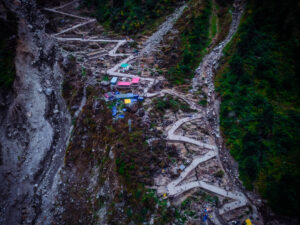
The trek is approximately 16–18 km uphill.
Along the way, waterfalls, snow-covered valleys, fresh air, and the echo of “Har Har Mahadev” inspire pilgrims to continue the ascent.
🛫 Alternate Facilities
- Helicopter Service:
Available from Phata, Guptkashi, and Sirsiy
Ideal for elderly or physically challenged pilgrims and those with limited time. - Pithu, Dandi, and Ponies:
Available for elderly, children, and those unable to walk the entire trek. These services can be hired at Gaurikund or Sonprayag.
2013 Tragedy: Triumph of Faith Amidst Devastation
In June 2013, the Kedarnath valley of Uttarakhand witnessed one of the most devastating natural disasters in India’s recent history. Relentless rainfall triggered sudden flash floods and landslides, turning the peaceful pilgrimage route into a scene of unimaginable destruction. The Mandakini and Saraswati rivers swelled beyond limits, sweeping away everything in their path—villages, roads, bridges, and thousands of lives.
At the heart of this devastation stood the ancient Kedarnath Temple, a sacred center of devotion for Lord Shiva’s followers. Miraculously, while everything around was reduced to rubble, the temple remained almost entirely unharmed. A massive boulder—now known as the “Rakshak Shila” or “Protective Rock”—lodged itself behind the temple, diverting the raging waters away. From a scientific perspective, it may have been a coincidence, but for millions of devotees, it was nothing short of divine intervention—a testament to faith and spiritual grace.
This tragedy, while bringing widespread grief, also ignited a renewed sense of faith and unity. The resilience shown during the reconstruction phase reinforced hope and devotion. Today, Kedarnath stands as a symbol of strength, spirituality, and the profound balance between nature and belief.
Reconstruction and Present-Day Kedarnath
The 2013 disaster severely damaged the Kedarnath region. Villages, roads, and all basic infrastructure around the temple complex were devastated. Thousands of lives were lost, casting a shadow of sorrow across the nation. However, what followed became a model of rebirth and determination.
Both the Central and Uttarakhand State Governments undertook the massive task of reconstruction and redevelopment of Kedarnath Dham. The restoration project was executed in multiple phases, focusing not only on repair but also on modernizing the pilgrimage experience.
🔧 Key Reconstruction Efforts:
- New pedestrian tracks were developed—wider, safer, and more structured than the earlier risky paths.
- Essential facilities such as rest stops, toilets, medical aid centers, and drinking water stations were established along the trekking route.
- Security forces, including ITBP (Indo-Tibetan Border Police), are stationed to handle emergencies and manage the pilgrimage efficiently.
- Biometric registration for pilgrims and 24×7 helpline services were introduced to enhance safety and monitoring.
🧹 Cleanliness & Environmental Protection:
- Dedicated teams now maintain cleanliness in and around the temple premises.
- The area has been made eco-friendly through strict plastic bans, waste management systems, and regular sanitation drives.
Today, Kedarnath is not only a secure and sacred destination but also an example of effective disaster recovery and responsible pilgrimage management. Visitors experience a blend of deep faith and well-planned infrastructure that reflects India’s spiritual and administrative strengths.
Nearby Attractions
- Bhairav Temple – Believed to be the guardian deity of Kedarnath, offering divine protection to the region.
- Gandhi Sarovar – A serene lake where Mahatma Gandhi’s ashes were immersed.
- Vasuki Tal – A high-altitude glacial lake, ideal for trekking and nature exploration.
- Adi Shankaracharya Samadhi – Located near the temple, this is the sacred resting place of the great spiritual reformer Adi Shankaracharya.
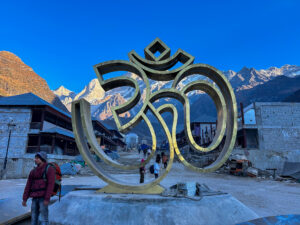
A Place of Devotion and Spiritual Awakening
Kedarnath is not just about offering prayers — it is where the soul awakens. Upon reaching here, one experiences the fleeting nature of life and the eternal presence of Lord Shiva. With every breath, the chanting of “Om Namah Shivaya” feels like being in the very presence of the divine. It is a space where devotion transcends rituals, becoming a deeply personal and transformative experience.
Modern-Day Kedarnath and Its Cultural Identity
Today, Kedarnath is more than a pilgrimage site — it is a living symbol of faith, nature, and cultural heritage. After the devastating 2013 floods, the collaborative efforts of the government and local communities led to its remarkable reconstruction. Now, the region stands stronger and more organized than ever before. The hills surrounding the Kedarnath temple, the soothing flow of the Mandakini River, and the sacred Himalayan valleys offer visitors a profound sense of inner peace and spiritual fulfillment.
The 2018 Bollywood film Kedarnath (starring Sushant Singh Rajput and Sara Ali Khan) significantly increased the site’s popularity among the youth. The movie beautifully portrayed the region’s geographical magnificence and spiritual depth, connecting with audiences on an emotional level.
Today, social media platforms, YouTube vlogs, and Instagram reels are filled with stories of people’s journeys to Kedarnath. These shared experiences not only inspire others to embark on their own pilgrimages but also strengthen the cultural connection between the sacred site and the younger generation. Kedarnath has now become a center not only of devotion but also of exploration and spiritual discovery for today’s youth.
✅ Preparing for the Kedarnath Yatra – Essential Tips
The Kedarnath Yatra is not just a pilgrimage — it is a spiritual and physical test. Located in the high altitudes of the Himalayas, it is a challenging yet deeply rewarding journey that demands not only faith but also proper preparation. To ensure a safe and fulfilling experience, here are some essential tips categorized by key areas:
👕 Clothing Essentials
The weather in Kedarnath is extremely cold and unpredictable. You might experience bright sun during the day, but snow or rain by evening. Therefore:
- Carry warm woolen clothes (sweaters, jackets, thermal innerwear).
- A waterproof raincoat or windcheater is essential to protect from snow and rain.
- Woolen gloves, socks, and a cap help retain body heat.
- Wear sturdy sports shoes or trekking boots to avoid slipping on wet, uneven paths.
💊 Health and Medicines
High altitude and cold weather can affect your body, especially if you’re not used to such conditions:
- Take medications like Diamox (for altitude sickness) only after consulting your doctor.
- If you feel shortness of breath, fatigue, dizziness, or nausea — rest immediately.
- Carry a basic first aid kit (painkillers, antiseptic cream, band-aids, balm).
- Senior citizens should carry enough of their regular medications (BP, diabetes, heart-related, etc.).
🪪 ID, Registration & Documentation
Biometric registration is mandatory for the Kedarnath Yatra, as per the Uttarakhand government, for tracking and safety:
- Carry valid ID proof (Aadhar card, Voter ID, Driving License).
- Registration can be done online or at checkpoints like Haridwar, Rishikesh, or Sonprayag.
- Carry printouts of helicopter bookings or hotel confirmations if applicable.
🍲 Food and Water Arrangements
Keeping your body energized and hydrated is crucial during the trek:
- Eat light and easily digestible food like khichdi, upma, or dry fruits.
- Avoid oily and spicy food — it may cause nausea or acidity.
- Drink clean, boiled, or bottled water — carry a reusable bottle or thermos.
- Small eateries and free community kitchens (langars) are available en route, but prioritize hygiene.
🧠 Mental and Emotional Readiness
The Kedarnath Yatra is more of a mental and spiritual journey than just a physical one:
- Stay calm and mentally steady amid fatigue, steep climbs, and harsh weather.
- Do not treat the journey as a race — walk slowly, enjoy the path, absorb the experience.
- Trust yourself — the belief that “Baba calls you” becomes your greatest strength.
🧳 Other Important Items to Carry
- Mobile charger and power bank
- Torch and spare batteries
- Small umbrella or rain poncho
- Sunglasses and sunscreen (to protect from high-altitude sun)
- Some cash (as digital payment may not work in remote areas)
Conclusion: A Spiritual Rebirth in the Land of Shiva
Kedarnath is a place where a traveler becomes a devotee. It is where the body tires but the soul awakens. It is where one finds divine presence at the height of the mountains. This journey gives a new perspective on life — free from ego, filled with devotion, and enriched with inner peace.
“Har Har Mahadev! Glory to Baba Kedarnath!”
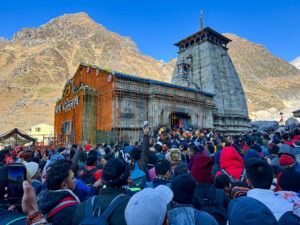
Essential Guidelines for Pilgrims Visiting Kedarnath Dham
Dear Devotees,
The journey to Kedarnath Dham is a profound spiritual experience that offers not only peace to the soul but also teaches us to respect nature and cultural heritage. To preserve the sanctity and beauty of this sacred site, we request all visitors to kindly follow the guidelines below:
🛑 Prohibited Activities
Alcohol, Drugs & Smoking:
Consumption of alcohol, tobacco, intoxicants, or smoking is strictly prohibited at Kedarnath Dham. This sacred site represents spiritual and natural peace, and such activities disturb the sanctity of the environment.
Firecrackers & Noise Pollution:
Avoid using firecrackers, loud music, or creating noise. It disturbs fellow pilgrims and harms the fragile ecosystem and local wildlife.
Littering:
Do not dispose of plastic, thermocol, single-use plastics, or any other waste in open areas. Carry a personal waste bag and dispose of garbage responsibly in designated bins.
✅ Essential Responsibilities
Maintain Cleanliness:
Keep the temple premises, trekking routes, and surrounding areas clean. Always use dustbins and avoid littering.
Conserve Natural Resources:
Use water wisely. Avoid making noise near water bodies and help preserve their purity.
Respect Wildlife and Flora:
Do not harm trees or disturb wildlife. This is their natural habitat, and they must be protected.
Honor Local Culture:
Respect local traditions, customs, and practices. Maintain discipline in the temple premises and dress modestly and appropriately.
🙏 Remember:
Kedarnath Dham is a sacred confluence of faith, nature, and culture. It is our shared responsibility to keep it clean, peaceful, and spiritually vibrant. Let us work together to preserve the purity of this divine place and set an example for future generations.
“True devotion is reflected not just in prayers, but in conduct.”